


There Are Women In This Work
Much praise and respect is due to the many Black-led organizations where men are playing a pivotal role in community-based violence interruption. Without the work of returning citizens and leaders in faith communities, we would not have the historic drop in violent crimes that we are seeing today.
And like any communal effort, the men will tell you, they aren’t doing it alone.
Baltimore’s mothers, daughters, wives, aunts, cousins and sisters have been holding vigils, organizing, leading, mediating, marching and nurturing without 501c3 status or support before the broader public even had a language for what this work is called.
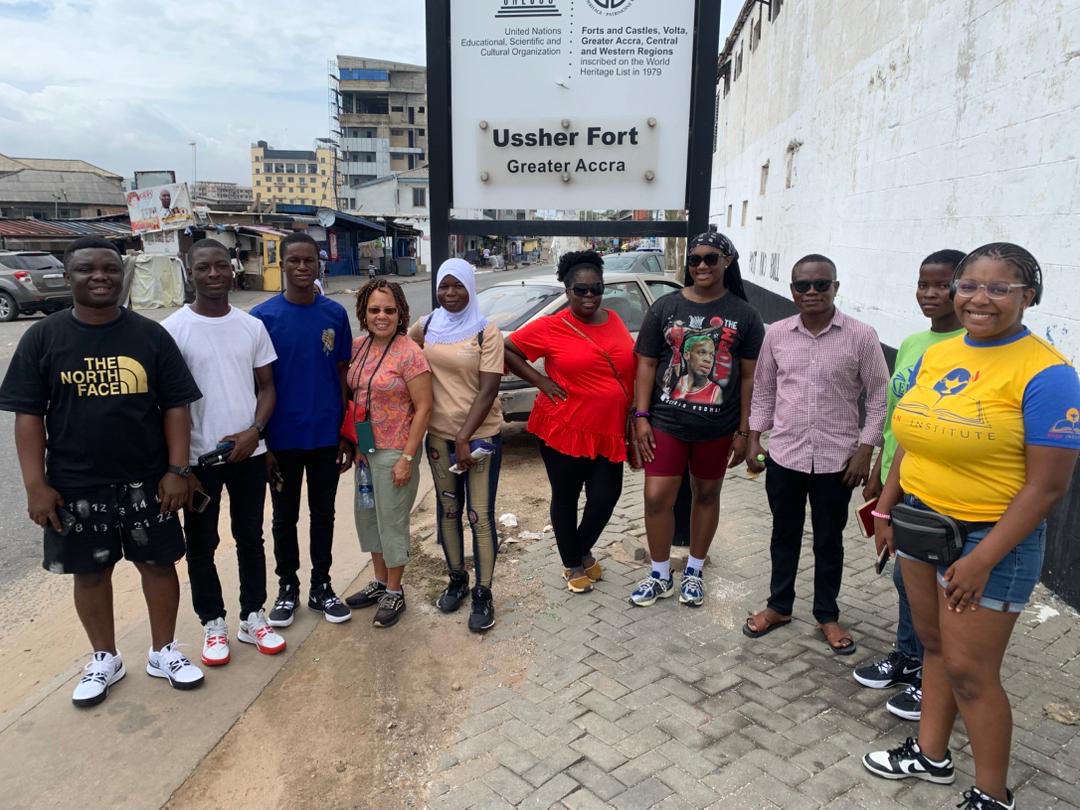
The Black women in Baltimore have been the emotional labor, and behind-the-scenes coordination that makes the work possible. Pastor Marcia Williams (Teen Girls in Pursuit) really illustrates the deep emotional labor and sacrifice involved,
 Courtesy photo
“He (Uncle T of Challenge2Change) gets those phone calls, and so when he gets them, I get them too. But my part is he hit the streets. I hit the floor on my knees, because now my husband is gone. Trying to stop and resolve a conflict, but I'm thinking about if my husband is caught up in a crossfire. I think about that all the time. What if something goes wrong? I've seen him take guns from people. I've seen the work that my husband does, which is amazing, but there's one side of me that always sits with me and say, what if something goes left? So I deal with it as a wife.”
While men are often more visible on the streets, women sustain the movement as mediators, organizers, mentors, mothers, and healers, often while carrying their own grief and responsibilities at home. Many of them, victims and survivors of violence.
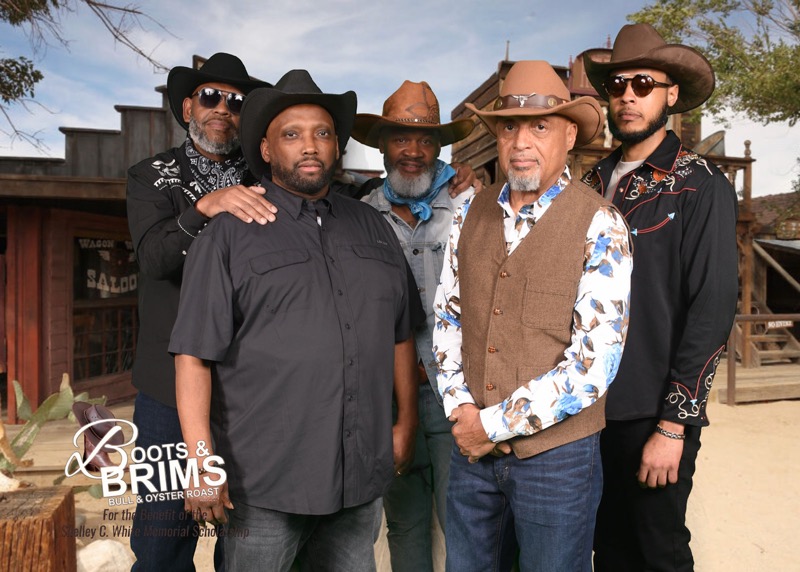
“From a leadership perspective, a lot of them were moms who lost their children to violence because we did a safer space ritual for their child. Or, you know, they saw us doing something in community, and they were like, I need something to do with my pain. And so they became ambassadors.” –Erricka Bridgeford
Across Baltimore, women have been the “boots on the ground, in homes, in hospitals, jails and funeral homes” for decades, building trust in neighborhoods, supporting families after loss, and creating safe spaces for healing. They lead community mediation efforts, mentor young people, organize peace walks, manage operations, and transform personal pain into collective action. As James Timpson notes,
“I probably stood on more shoulders of women than I have men in this work… they just fought for us, even when we wouldn’t fight for ourselves.”
Many women are also the unseen support system that allows violence interrupters to do their jobs—holding families together, running organizations, and ensuring the work continues day to day. Delmont Player underscores this reality:
“You could not do the work that you do without the backing of a woman… holding the fort down while you out in them streets and out in that community.”
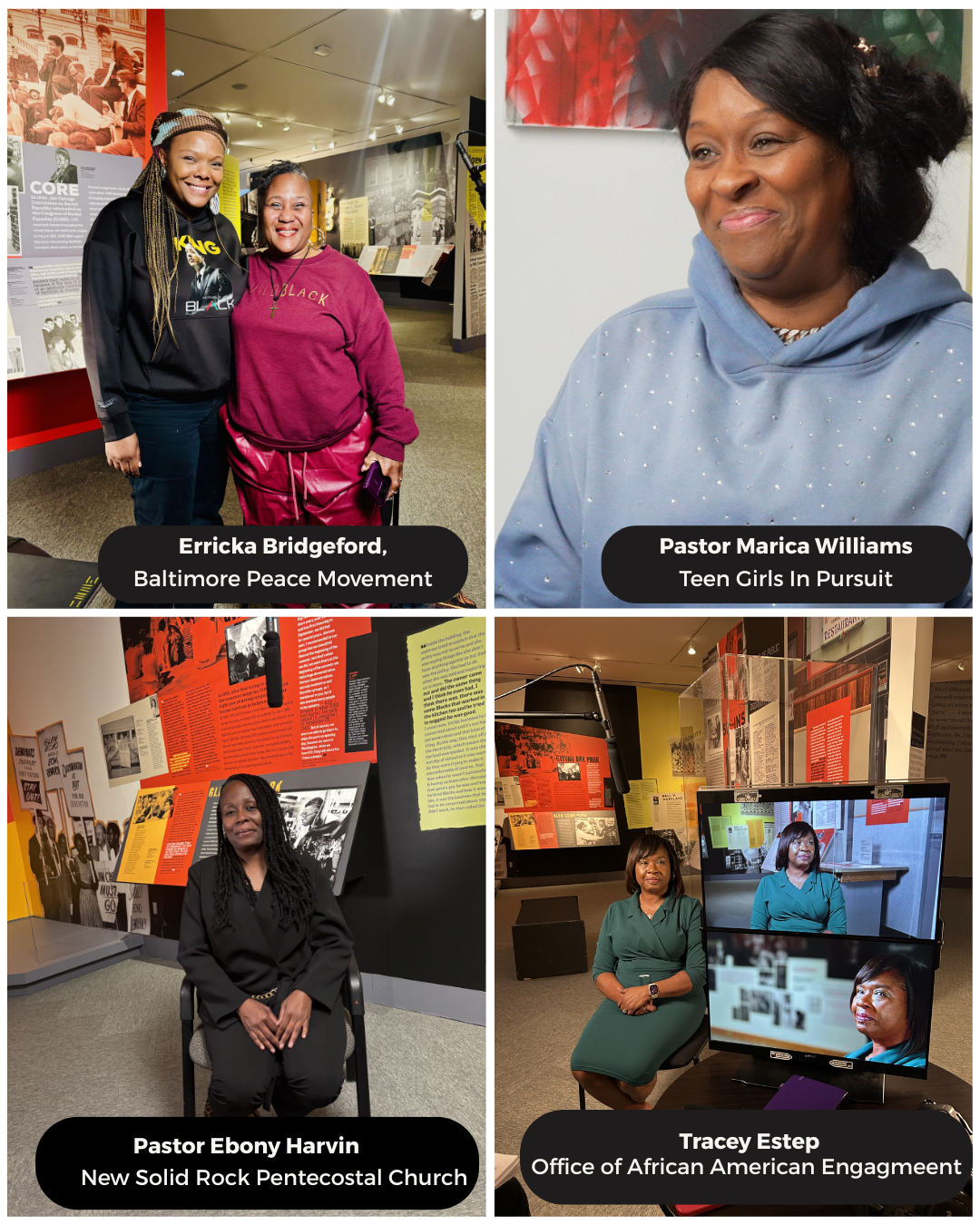
From mothers who lost children and became peace ambassadors, to pastors, mediators, and organizers who have served for decades, women are not just participants in Baltimore’s violence interruption work, they are its heart. As Pastor Ebony Harvin reflects, the mission is shared and deeply personal:
“We all here trying to save a life… to make sure that another mother don’t go through what I went through.”